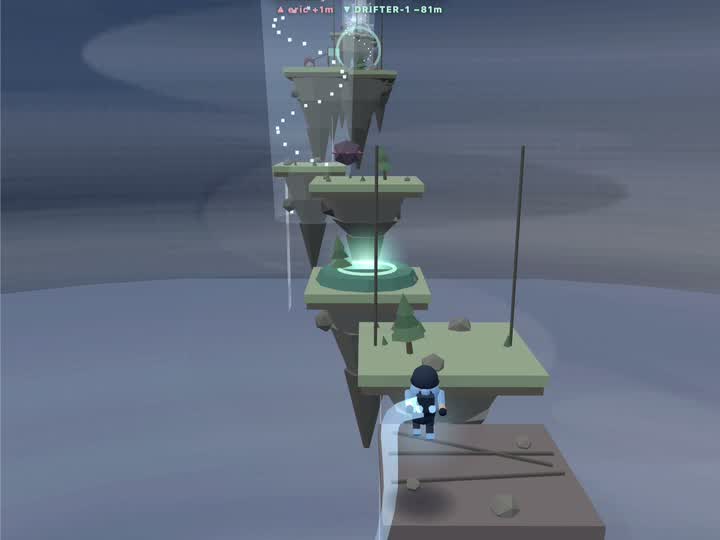
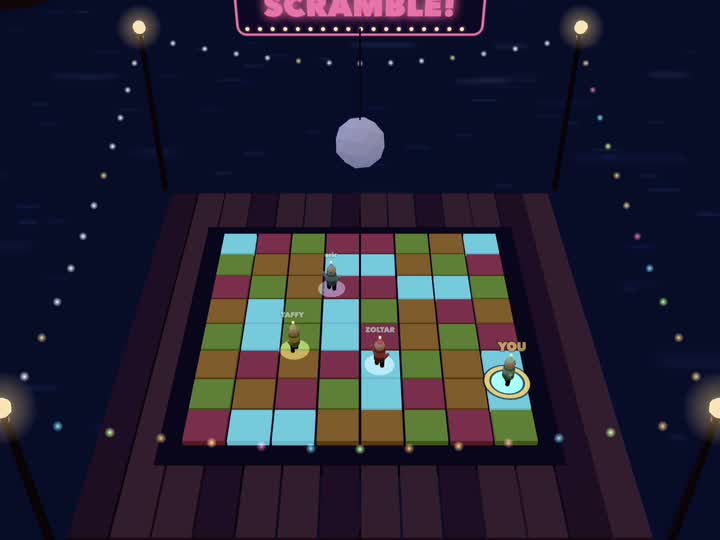
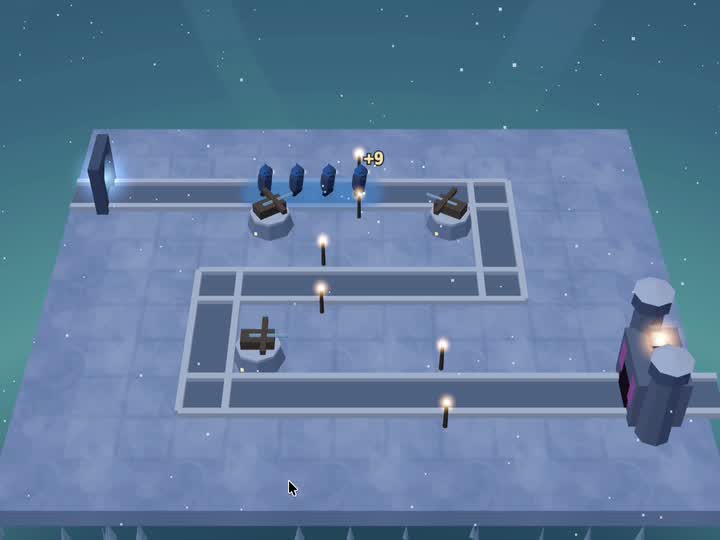
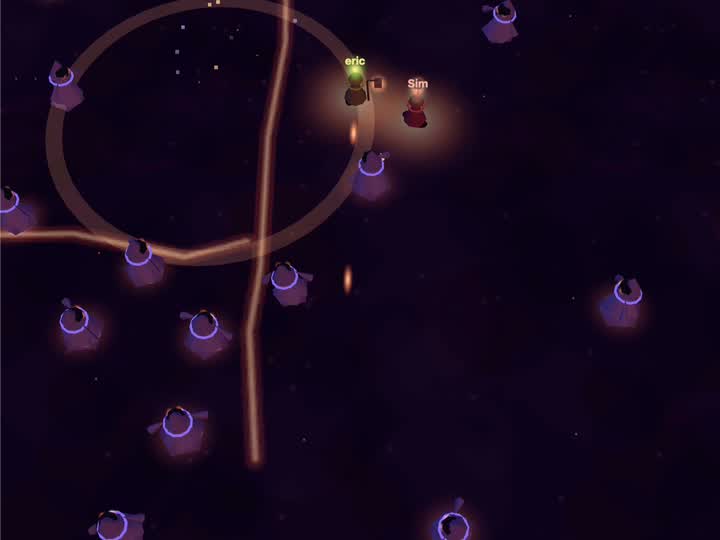
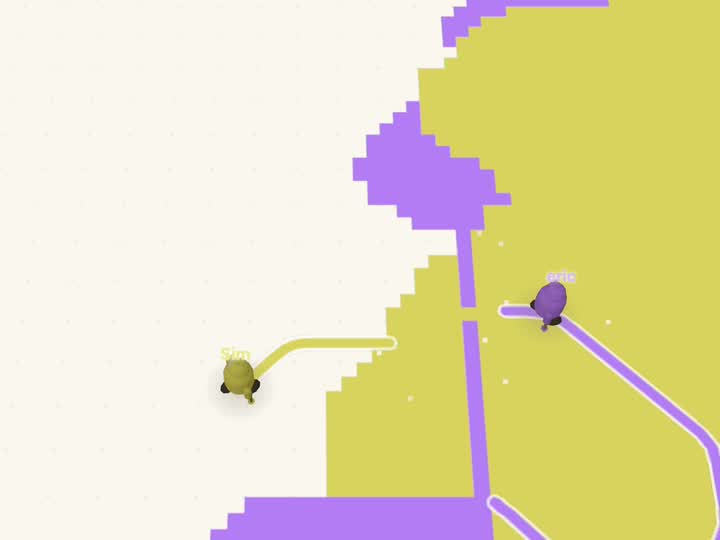
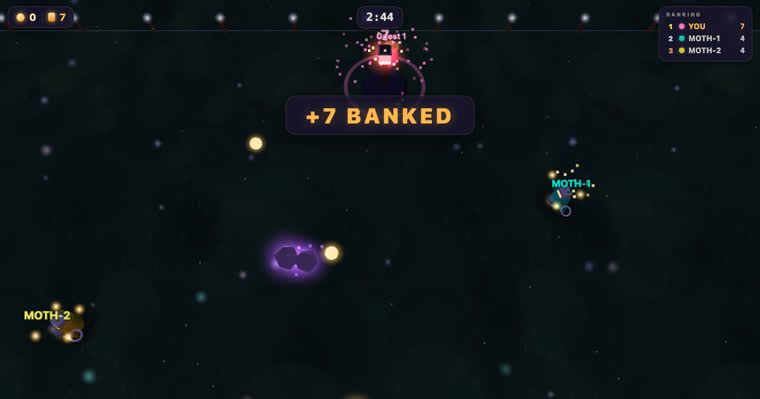
Can Claude actually make a multiplayer game, or only the single-player part?
Claude writes the whole game, multiplayer included — what it can't do is run
the server that game needs. antics is that server: rooms, real-time state sync, presence,
events, leaderboards and hosting, behind a two-line call. So the part Claude can't do
from your laptop is the part it never has to write.
Which Claude model should I use to make a game?
Opus 5. In our builds it makes the better-looking game and costs
roughly half what Fable 5 does, so you get more attempts out of the same evening. It
matters more here than on ordinary code: one build has to hold physics, input, netcode,
round structure and art direction in its head at once and keep them consistent across
hundreds of lines, and smaller models write each of those plausibly and none of them
together. In Claude Code, switch with /model before the first prompt. A
lighter model is fine once the game exists and you're just asking for a bigger goose.
Why can't Claude just host it itself?
Because a multiplayer game needs a program that's awake when your friend clicks the
link, and Claude runs on your machine, in a session that ends. Multiplayer isn't a
feature you bolt onto a browser game — it's a second program in the middle that every
player's browser talks to. antics runs that program; the MCP is how Claude reaches it
without you touching a dashboard.
Do I need Claude Code, or does claude.ai work too?
Both work, differently. Claude Code (or any agent that can run a tool server on your
machine) connects antics and can ship and check the game on its own. On claude.ai you
ask for one self-contained HTML file that imports the antics SDK, then paste it into the
deploy box on make a game — same link at the end, minus the
automation.
How does Claude know the game works if it can't see it?
It runs the deployed game headlessly in a real room, with two players in that same
room, and reads the live state back as numbers while a virtual clock fast-forwards the
match. Numbers beat eyeballing pixels: they catch a transient that a final screenshot
hides, and they turn "does the sync work" into a measurement instead of a hope.
Is it free to make a multiplayer game?
Yes. Sign in — one Google click, no card — and you get the
version worth sharing: links that never expire, leaderboards that
persist between sessions, rooms that hold 16 players, and up to 25 live
at once. It's also what lets Claude keep shipping updates underneath a link you've
already posted.
Don't want to sign up yet? You don't have to. Deploy with no account and you get a
keyless room: instant, up to 8 players, live sync and an in-room leaderboard —
but the link is welded to that exact build, and the room is gone after 24 hours. Perfect
for finding out whether the idea is fun. Not what you want in the group chat on Friday.
Full comparison →
The one thing we can't hand you is Claude itself — you bring your own access, we don't
resell it.
Can Claude update the game after I've shared the link?
Yes, but which link you shared decides what happens. A keyless
/g/<hash> URL is pinned to the exact bytes deployed, so a redeploy is
a genuinely new link and everyone holding the old one stays on the old build. Deploy
under a project and share the /p/<slug> URL instead — it mints rooms
on the latest deploy, so you can keep shipping.